Asmongold's Two-Week Ban and the Ongoing Debate Over Politics and Platform Enforcement
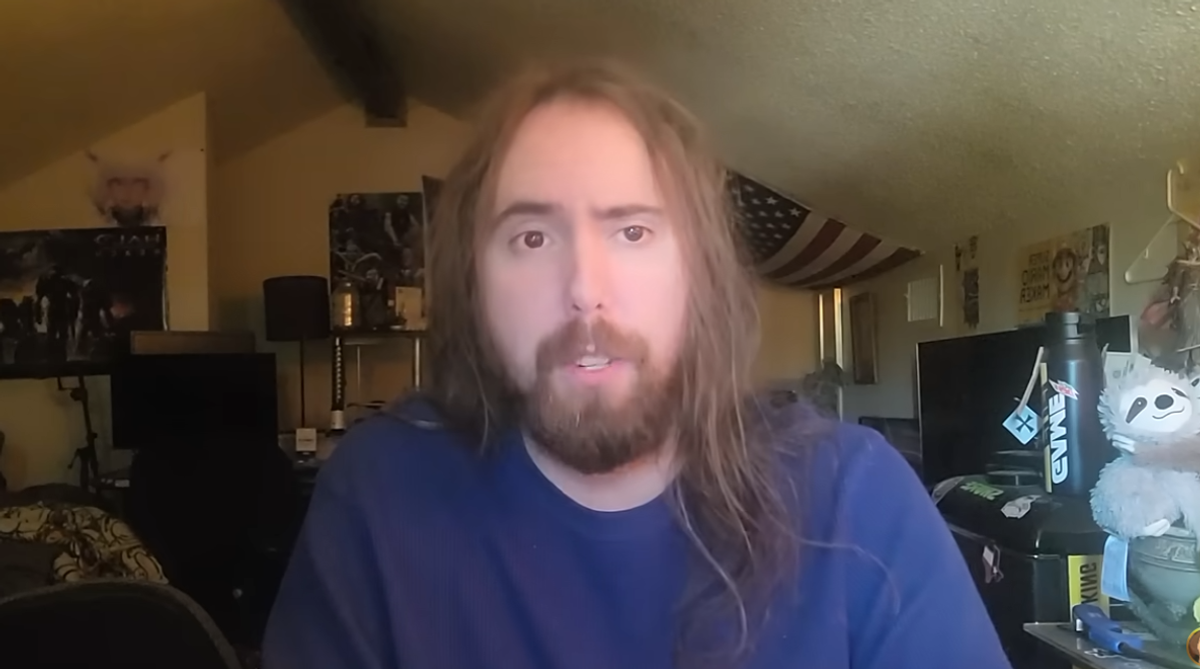
Asmongold, one of Twitch's most-followed and most-discussed creators, is once again at the center of a conversation about where platforms draw the line on political speech. His latest suspension has reignited a familiar debate: when a ban follows controversial political comments, is it content moderation working as intended, or something viewers on different sides read very differently?
What happened
On August 6, 2026, Zack "Asmongold" Hoyt's primary broadcast channel, ZackRawrr, went offline, with visitors shown a message that the channel could not stream due to a violation of Twitch's community guidelines. The account carries more than 2.4 million followers. Asmongold later confirmed the suspension would last 14 days and said he intended to appeal for a shorter duration.
Twitch, as is standard, did not publicly state the reason or the length. The company does not publish ban reasons or suspension timelines, which is part of what fuels the debate every time a high-profile creator is removed. In the absence of an official explanation, coverage and community discussion connected the ban to a widely circulated clip from an August 3 livestream, in which Asmongold discussed immigration and argued that borders should be defended with lethal force during large-scale crossings.
Asmongold addressed the suspension in a YouTube video and did not apologize. He said Twitch never told him the specific reason, so he was only guessing it related to the immigration comments, and he stood by what he said. He did indicate he might adjust how he expresses his views going forward, framing it as a matter of delivery rather than substance.
Why this keeps happening to him
This is Asmongold's second Twitch suspension of 2026 and part of a longer pattern. In April 2026, the same channel was banned for about a week over political comments, which he disputed at the time. Further back, in October 2024, he was suspended for roughly two weeks after remarks about the Israel-Palestine conflict, comments he later apologized for, acknowledging that his increasingly negative communication style had become a problem. That episode also led him to step back from leadership roles at the streamer organization OTK and at Starforge Systems.
The escalating length of his bans is not arbitrary. Twitch applies progressive enforcement, using the length of a prior suspension as a starting point when a new violation falls under the same category. A previous week-long ban can push the next one longer, which appears to be part of why this suspension landed at 14 days.
The broader controversy
The reason these bans generate so much argument is that they sit at the intersection of two things people feel strongly about: political speech and private-platform rules.
On one side, Twitch's hateful conduct policy prohibits content that encourages discrimination or violence based on protected characteristics, a list that explicitly includes immigration status. From that vantage point, comments interpreted as calling for migrants to be shot map directly onto an existing, published rule, and enforcement is simply the policy being applied. Some other prominent streamers publicly criticized the comments, and many viewers pointed to the clip as the obvious trigger before any reporting confirmed it.
On the other side, critics argue that inconsistent and opaque enforcement, combined with Twitch's refusal to explain specific bans, makes moderation feel selective or politically motivated, especially for creators whose commentary leans a particular direction. Because Twitch stays silent on specifics, both readings coexist, and each side sees confirmation of its own view. That ambiguity, more than any single comment, is what keeps the controversy alive.
None of this is likely to be resolved cleanly. Platforms will keep enforcing rules that are, by nature, judgment calls, and audiences will keep disagreeing about whether those calls are fair. What is clear is that when a major creator goes dark for two weeks, a large audience suddenly loses access to content they follow, at least on that platform.
Keeping the content you follow
Situations like this are a reminder that creators come and go from platforms, and the videos you want to watch can become harder to find or temporarily unavailable. That is part of why having your own organized library matters.
With VODey, you can pull past broadcasts from both Twitch and YouTube into one place and curate them into your own playlists, organized how you want and ready whenever you are. Whatever happens with any single streamer or platform, the collection you build is yours.
Ready to build your own library? Sign up for VODey and start curating your favorite Twitch and YouTube VODs into playlists today.