The Rise of Streamer Lawsuits and What It Means for Online Speech
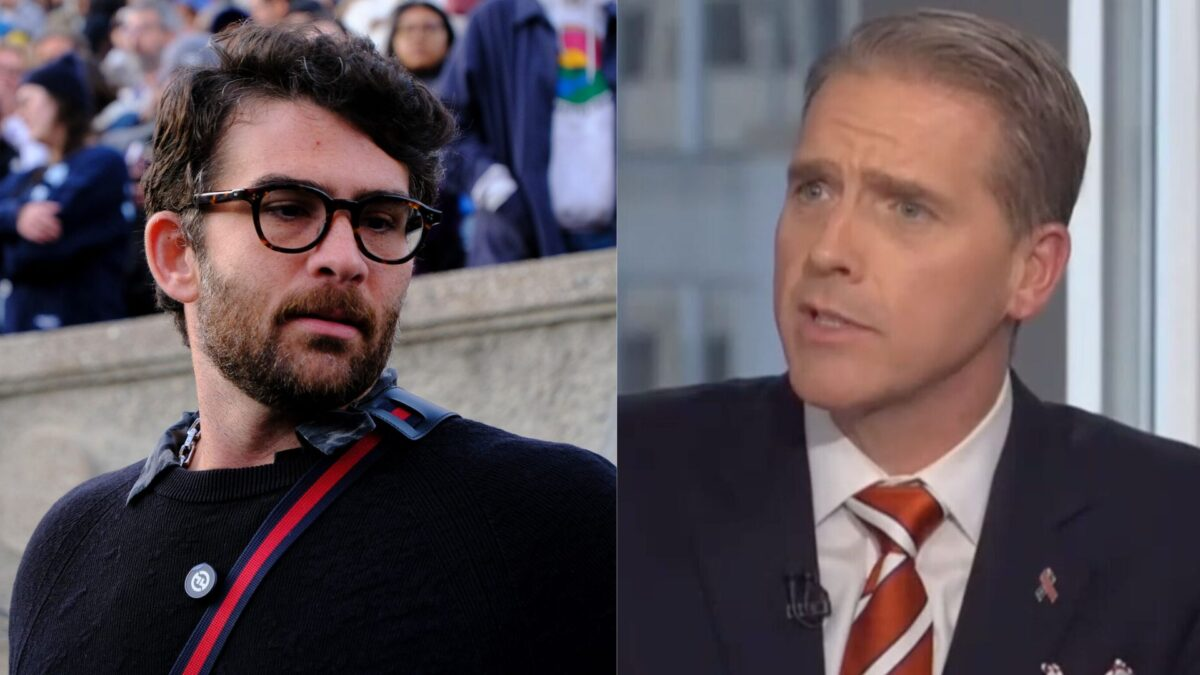
For years, streamer drama followed a predictable script. Two creators would fall out, subtweet each other on X, air grievances on stream, rally their audiences, and eventually move on to the next feud. It was messy and public, but it stayed online. Lately, something has changed. A growing number of these disputes are not ending on X. They are ending in federal court.
Before going further, an important note. Everything below involves serious allegations and active or threatened legal proceedings. Where a claim is an allegation rather than an established fact, it is described that way. Courts have not ruled on the underlying truth of most of these disputes, and this article takes no position on who is right. It is an overview of a trend, not a verdict on any person.
The Mizkif case: streamers suing streamers
The clearest example of the new legal era is the lawsuit filed by Matthew "Mizkif" Rinaudo. In November 2025, Mizkif and his company sued fellow streamers Emily "Emiru" Schunk and Zack "Asmongold" Hoyt, along with OTK Media, Mythic Talent Management, and King Gaming Labs, in federal court in Texas.
The suit stems from an October 2025 livestream in which Emiru accused Mizkif of psychological and domestic abuse, stalking, harassment, sexual assault, and threats of blackmail. Mizkif has denied all of these allegations. His complaint further alleges that Asmongold amplified the accusations by repeatedly calling him an "aggressor and abuser" on his own streams.
In June 2026, a federal magistrate judge issued a set of recommendations: that Emiru's motion to dismiss be denied so the defamation claim against her could proceed, that Asmongold be dismissed without prejudice, and that the claims against the three companies be sent to arbitration. It is critical to understand what this means. The recommendation that the claim proceed is a pleading-stage finding that it was plausibly alleged. It does not decide whether Mizkif's claims are true or whether Emiru's accusations were false. Both sides' statements remain unproven.
Several distinct legal arguments in play
What makes this wave worth watching is the range of legal theories being tested, often within a single case.
Defamation over abuse allegations. Mizkif's core claim is that Emiru's specific accusations were false statements of fact that damaged his reputation and livelihood. The magistrate found her statement, given its "gist," was reasonably capable of a defamatory meaning, which allowed that claim to move forward.
The "emotional truth" defense. Emiru's response is notable. In a March 2026 filing, she characterized her allegations as "emotional truth, not some statement of decisive fact," arguing her stream was protected speech. That framing, opinion versus verifiable factual assertion, sits at the heart of most defamation fights.
"I was just repeating his words." Asmongold's defense took a different route. He filed a motion to dismiss arguing that commenting on and repeating allegations already in public circulation did not meet the legal bar for defamation. The recommendation that he be dismissed suggests that argument had traction.
Arbitration clauses. The corporate defendants argued the dispute should not be in open court at all, pointing to contractual clauses they say require private arbitration. A reminder that many creators are bound by business contracts most viewers never see.
Media defamation and "actual malice." A separate, higher-profile threat shows the same ideas reaching beyond streamer-versus-streamer fights. In August 2026, Hasan Piker said a defamation suit against conservative commentator Scott Jennings and Salem Media seemed "unavoidable" after Jennings aired a heavily edited clip that a Snopes review found stripped of context. Notably, this is a threat, not a filed lawsuit, and it targets a media figure rather than another streamer. It also runs into the New York Times v. Sullivan "actual malice" standard, the demanding bar public figures must clear to win.
Why the shift from X to the courtroom matters
For most of streaming's history, the accepted way to handle a dispute was to fight it out publicly. Creators built content cycles around long-running feuds, and audiences treated the back-and-forth as entertainment. The unwritten rule was that talk stayed talk.
The move toward litigation changes the calculus in ways that cut in more than one direction, and reasonable people disagree about whether it is good or bad.
Supporters of the trend argue that streamers are real people with real reputations and income at stake, and that serious accusations, especially of criminal conduct, are not just "content." If a false statement genuinely destroys someone's career, the courts are exactly where that should be resolved, and creators should not be denied the legal protections anyone else would have.
Critics worry about a chilling effect. If commenting on or even repeating widely circulated allegations can drag you into a federal lawsuit, streamers may become far more cautious about discussing anything involving their peers. That caution could suppress not just reckless gossip but also legitimate criticism, accountability conversations, and the ability of alleged victims to speak. The "emotional truth" defense captures the tension: where is the line between someone processing a painful personal experience out loud and making a factual accusation that can be tested in court?
There is no clean answer. Defamation law exists precisely to balance reputation against free expression, and these cases are that balance being worked out in real time, in an environment the law was never designed for. Hours-long unscripted broadcasts, clip culture that strips context, and audiences of millions create endless opportunities for words to travel far beyond their original moment.
Watching it all unfold
Whatever your view, these stories play out across countless streams, clips, and videos on both Twitch and YouTube, and they are scattered, easy to lose, and quick to disappear. Following a saga that spans months of broadcasts from multiple creators is hard when the relevant videos live in a dozen different places.
That is where VODey comes in. You can pull VODs from both Twitch and YouTube into one place and organize them into your own playlists, whether you are keeping up with an ongoing dispute, saving context before clips vanish, or just curating your favorite creators in one spot.
Want to keep up with the drama on your own terms? Sign up for VODey and build playlists of your favorite streamers today.